

 See My Latest Article on HelloNation
What Happens When You Go Online in Marietta, GA?
Every time a device in a Marietta home or business connects to the internet—whether it’s a smartphone, tablet, or computer—it’s using a complex web of technology that most users never see. The process starts locally, usually with a home Wi-Fi router or a direct connection via cable. This is just the first step in a journey data takes across many layers of digital infrastructure, both locally and around the world.
How Do Devices Communicate with the Wider Internet?
When you search for information or stream a video, your request leaves your home network and travels to your local Internet Service Provider (ISP) through underground cables, fiber optics, or sometimes even wireless signals. The ISP’s main job is to connect Marietta residents to the broader network grid.
In practical terms:
- Your device sends information through your home router.
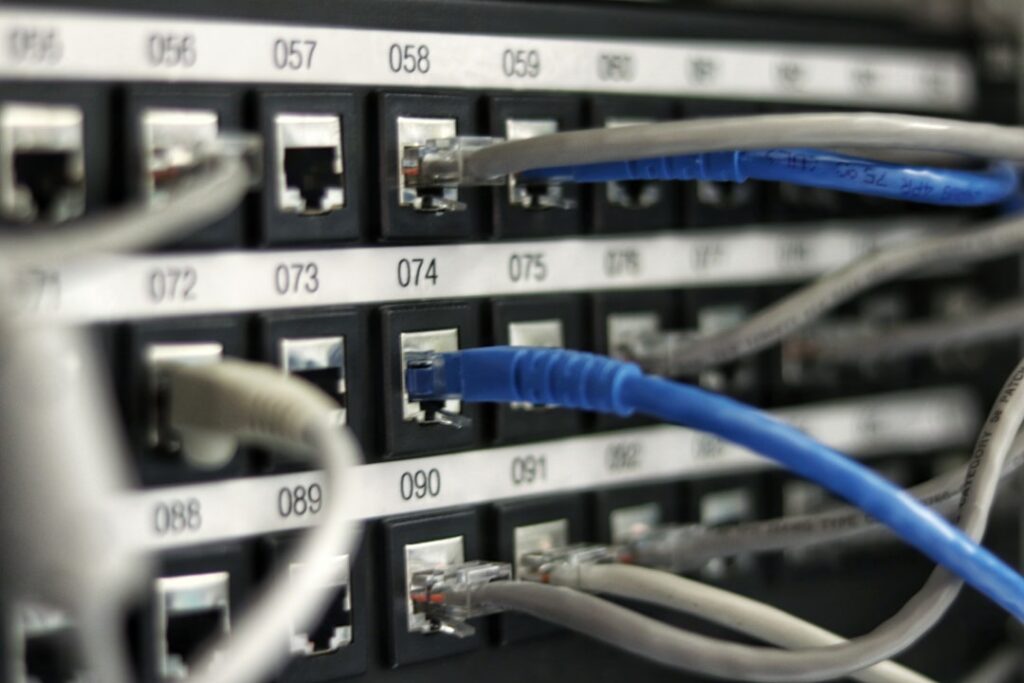
- The router directs data to nearby ISP equipment—often located in neighborhood utility boxes, street cabinets, or local datacenters.
- From there, your requests travel out along high-capacity lines crisscrossing the region and, if needed, across the globe.
Who Directs Internet Traffic and How Does “Addressing” Work?
All data sent across the internet is broken into tiny chunks called "packets." Each packet carries a destination “address”—much like envelopes in the postal service. These addresses are known as IP (Internet Protocol) addresses and can point to a home in Marietta, a server overseas, or anywhere else plugged into the digital world.
A system of routers—specialized computers—read these addresses and decide which path each packet should take. The process is automatic and happens in microseconds. Routers make their decisions based on rules and constantly updated maps of the optimal paths as data moves from local networks, through regional hubs, and toward its final destination.
What Role Do Cables and Fiber Optics Play?
For most area households, the path between your home and the greater internet depends on buried cables or fiber optic lines. Fiber optics use light to transfer huge amounts of information over long distances rapidly, making them ideal for high-speed connections. In some older neighborhoods, copper cables may still play a role, which can limit speeds compared to fiber.
Fiber backbone lines connect local utility hubs in and around Marietta to regional data centers. From there, even larger cables—some stretching beneath oceans—link entire continents, forming a worldwide mesh.
What Makes Internet Speeds Vary Across Marietta?
Internet speeds can depend on:
- The type of physical infrastructure—fiber optic is currently the fastest common option.
- The distance from your home to the nearest ISP hub or utility box.
- The number of users online in your area at the same time, which may strain local equipment and slow service during peak hours.
Weather events like heavy summer thunderstorms can sometimes cause brief outages if lines are damaged, though most ISPs in the city have measures to reroute traffic as needed.
How Does Wireless Internet Work in Residential Areas?
Many devices in area homes connect to the internet wirelessly using Wi-Fi. The router acts as a small local transmitter, converting the data from physical cables into radio waves that devices can receive throughout the building. This approach offers flexibility—devices can move from room to room, but the overall speed and reliability still depend on the wired link that brings the internet into the residence.
Cellular data, used by phones and some tablets, travels between your device and nearby cell towers. Signals from these towers are then routed through the same wired networks ISPs use to move data along.

What Keeps Local Internet Traffic Safe and Private?
Most websites and services now use encryption—a form of digital scrambling—to protect personal data from being read by anyone except the intended recipient. Locally, this means when you log into banking websites or send private messages, your data travels as unreadable code.
Firewalls, both at home (many modern routers include them) and at the ISP level, act as gatekeepers by blocking unwanted or suspicious data. These don’t guarantee complete safety, but they are essential in lowering risks from common digital threats.
Are There Limits or Regulations on Local Internet Access?
ISPs in the region may set certain limits, such as data usage caps, or throttle speeds during times of excessive network congestion. Additionally, area schools and public libraries often offer filtered access, using network controls to restrict content by type or category.
Marietta residents are subject to both federal and state policies regulating digital privacy, emergency alerts, and network neutrality. As internet use continues to grow, these regulations play an increasingly important role in shaping how the service works for local users.
What Happens When Things Go Wrong?
Outages in the city are usually due to:
- Physical line damage from storms, construction, or aging infrastructure.
- Power failures that affect local utility boxes or relay sites.
- Routine maintenance or equipment upgrades.
Most internet traffic reroutes automatically if certain paths are blocked, but customers may experience slowdowns or interruptions while the situation is resolved.
Misconceptions About the Internet’s Reach and Speed
A common misunderstanding in the community is that the internet is “everywhere” or wireless by default. In reality, nearly all connections—even to mobile devices—depend on extensive wired infrastructure. Another misconception is that higher speed plans guarantee constant speed; in fact, speeds can fluctuate depending on neighborhood usage and the specific wiring serving a property.
By understanding the behind-the-scenes workings of the internet, residents gain more control and awareness over their digital experience, helping households make informed choices about technology and connectivity.