

 See My Latest Article on HelloNation
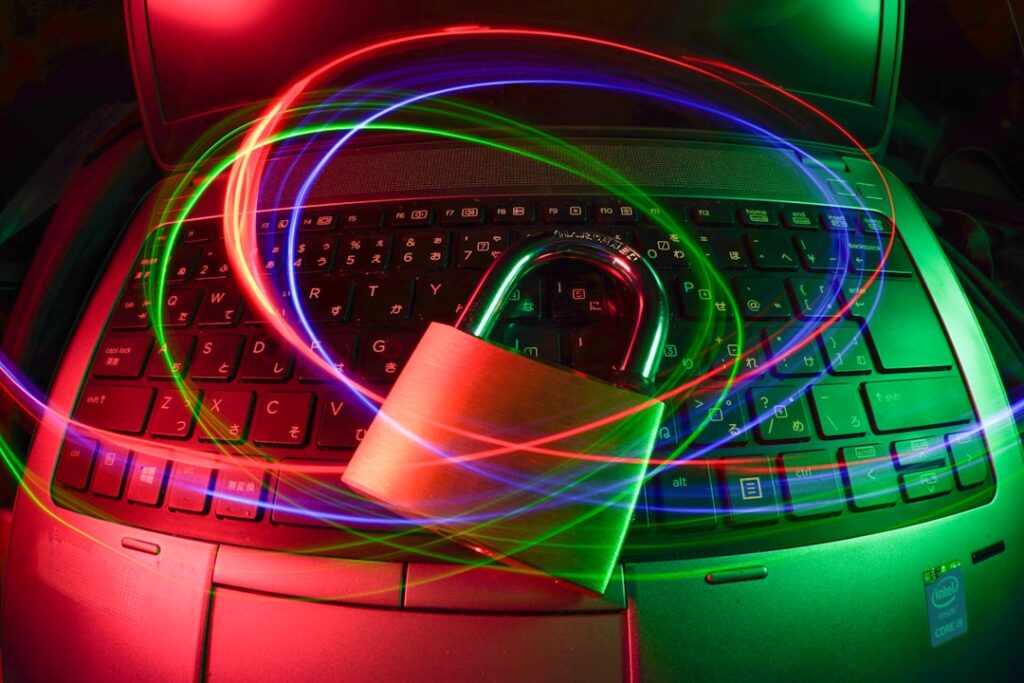
What Is a VPN?
A Virtual Private Network, commonly called a VPN, is a tool that creates a secure, encrypted connection between a device and the internet. This encrypted “tunnel” helps protect online activities from being seen or tracked by outside parties, including internet service providers, cybercriminals, or even some public Wi-Fi operators.
When using a VPN, information sent from your computer, phone, or tablet travels securely to a remote server operated by the VPN provider, which then forwards your requests to the wider internet. This makes your browsing data harder to intercept, even on shared networks such as those found in apartment complexes or coffee shops.
Why Do Residents of Marietta, GA Consider VPNs?
VPNs address a range of privacy and security concerns that area households may encounter. Whether someone is checking emails from a public Wi-Fi network at a local library or researching personal matters at home, a VPN adds a layer of online protection. In Marietta, where many homes and apartments have high-speed internet and families often use multiple devices, a VPN can also help manage risks that come from shared or unsecured networks.
Common motivations for using a VPN locally include:
- Reducing the chance of personal information being accessed by third parties.
- Safeguarding online activity in public spaces, like airports or cafes.
- Helping avoid digital “tracking” that can be used for advertising or profiling.
How Does a VPN Help Protect Your Privacy?
A VPN changes the way your data travels across the internet and hides your real IP address. That means websites and other online services see the location of the VPN server rather than the exact home address or device in use. This privacy benefit is especially helpful in environments where internet activity may be logged or monitored.
For households in the city who value online privacy—such as parents concerned about children’s browsing habits being tracked—this added layer can make personal surfing, financial activities, and remote work feel more discreet.
Is a VPN Necessary at Home?
VPN use at home depends on your privacy preferences and typical online behavior. Devices connected directly to a secure, password-protected Wi-Fi network in a private home are less exposed than those on public networks. However, internet providers in Marietta can still see basic activity or collect logs unless encryption or additional protections are in place.
Residents who often shop online, handle sensitive information, or simply value anonymity may see a benefit in using a VPN at home in addition to other security habits, such as keeping software updated and using strong passwords. Others might reserve VPN use for riskier situations, like accessing work data from a personal device or connecting to public Wi-Fi away from home.
When Might You Want to Use a VPN with Public Wi-Fi?
Public Wi-Fi networks, even those requiring a password, are common in local coffee shops, libraries, or event centers. These networks are typically less secure than a private home network, making them attractive targets for eavesdroppers or hackers looking to intercept sensitive data.
Connecting through a VPN while on public Wi-Fi adds essential encryption, making it much harder for anyone else on the network to monitor your activity or access emails, logins, or financial information. For college students, remote workers, or anyone using public spaces to get online, this is a straightforward step toward better cybersecurity.

What Are the Limits of a VPN?
While a VPN can safeguard online traffic in several practical ways, it does not make someone completely invisible or immune to every digital threat. It doesn’t protect against phishing emails, viruses, or scams, and devices can still be at risk if security updates are ignored. In addition, VPN performance can sometimes impact browsing speed, especially on slower connections or older devices.
Another common misconception is that a VPN makes online activity completely anonymous. While it obscures browsing patterns from internet service providers and some trackers, any information intentionally shared with a website, app, or online account is still subject to those privacy policies.
What Should Local Residents Know Before Using a VPN?
Choosing to use a VPN is a personal decision based on comfort with current risks and individual internet habits. For families and individuals in Marietta, the process is generally straightforward—VPN software is available for computers, smartphones, and even network routers. Reading privacy terms carefully and understanding what the VPN provider can log or store is worthwhile.
It’s also essential to remember that not every internet activity requires a VPN. For example, streaming local news, accessing most education portals, or browsing routines at home typically do not need an encrypted tunnel unless additional privacy or security is a concern.
Examples of Everyday Use
- Checking a bank account or shopping online while traveling or at a public park.
- Using telehealth services from a hotel or shared network.
- Accessing work files securely from remote locations or while on vacation.
- Communicating with family via messaging apps on public Wi-Fi.
For the majority of internet users in the area, adding a VPN to your security toolkit can feel like locking your front door: an extra step for peace of mind, especially when leaving your usual surroundings or handling information you prefer to keep private.